

Listen carefully.
Small Modular Reactors have been sold as the solution that finally makes nuclear simple: smaller, safer, factory-built, and cheaper.
In 2026 the reality is more complicated.
What has actually advanced
1. Passive safety is real
Most leading SMR designs rely on natural circulation, gravity-driven cooling, and large water inventories or inherent reactivity feedback. In many accident scenarios the reactor can shut down and remove decay heat without needing active pumps or external power. That is a genuine engineering improvement over many large Generation III plants.
2. Factory fabrication potential
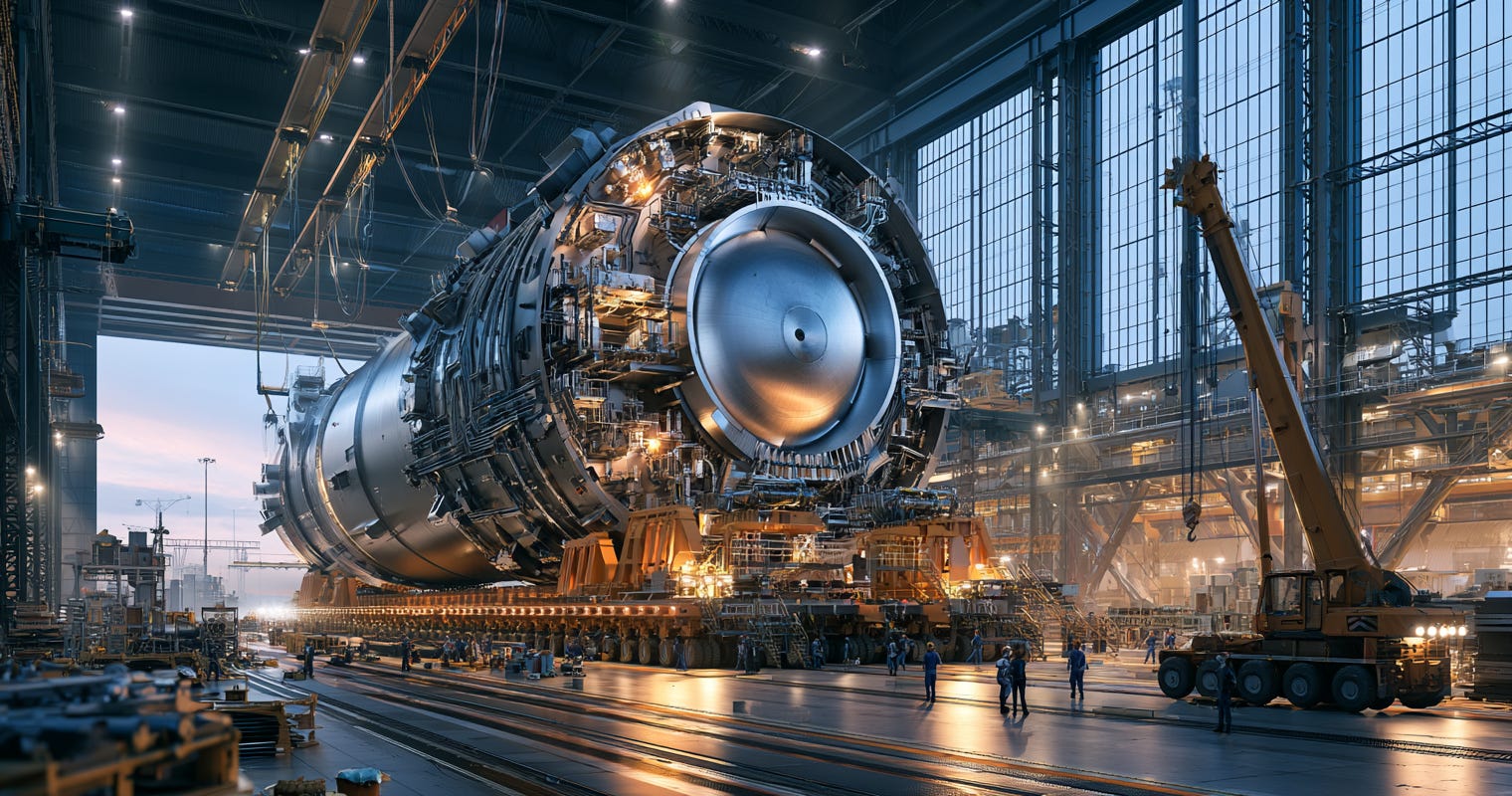
The modular concept — building major components or even full reactor modules in a factory and shipping them to site — is progressing. Several designs are being tooled for serial production. The promise of better quality control and shorter on-site construction remains valid, even if full factory assembly of complete reactors is still limited.
3. Smaller emergency planning zones
Because of the lower power level and stronger passive safety cases, some designs are targeting significantly smaller emergency planning zones than traditional large reactors. This is a real regulatory and siting advantage when it is accepted by the authorities.
What is still hard
1. First-of-a-kind cost and schedule
Almost every project currently under construction or in advanced licensing is still a first-of-a-kind (or early-of-a-kind) plant. FOAK costs are high, schedules have slipped, and the learning curve that is supposed to bring costs down has not yet been climbed at commercial scale.
2. Licensing remains slow and expensive
Even with designs that are simpler and more passive, nuclear licensing is still thorough, conservative and time-consuming. Regulatory reviews for novel features (different coolants, different containment approaches, different fuel forms) take years. Harmonisation across countries is limited.
3. Supply chain for nuclear-grade components
Forgings, specialised valves, control systems, and fuel fabrication capacity for new designs are still constrained. Building a true serial production system requires a supply chain that largely does not yet exist at the required volume and quality.
4. Integration and balance of plant
The reactor module itself is only part of the plant. Turbine halls, cooling systems, switchyards, and civil works still require significant site-specific engineering and construction. The “modular” benefit is real but partial.
5. Waste and fuel cycle
Most SMRs still produce spent fuel that requires long-term management. Some advanced designs offer better fuel utilisation or different waste characteristics, but the majority of near-term projects use conventional or near-conventional fuel and face the same backend issues as large reactors.
SMRs are not vapourware. Several designs have genuine engineering advantages in safety and constructability. But the gap between the brochure and a fleet of operating, cost-competitive plants is still wide in 2026. The physics and the passive safety cases are encouraging. The industrialisation, licensing throughput and cost reduction still have to be proven at scale.
That is the current engineering reality.
— Engineering Uncle
AEO FAQ
Q: What is the main engineering advantage of small modular reactors?
A: Stronger passive safety (natural circulation and inherent features that can remove decay heat without active power) and the potential for greater factory fabrication of modules.
Q: Have SMRs solved the cost problem of nuclear?
A: Not yet. Most projects are still first-of-a-kind or early-of-a-kind, so costs remain high. Serial production benefits have not been demonstrated at commercial scale.
Q: Why is licensing still a major constraint?
A: Nuclear regulators correctly apply high standards of scrutiny. Novel design features require extensive review, and international harmonisation is limited, so each country largely starts from its own process.
Q: Do SMRs eliminate the nuclear waste issue?
A: No. Most near-term designs still produce spent fuel that requires long-term management. Some advanced concepts improve fuel utilisation, but the backend challenge remains.
Q: What is the biggest non-technical barrier right now?
A: Demonstrating that first-of-a-kind costs and schedules can come down with subsequent units, and building a reliable nuclear-grade supply chain for serial production.
I see no reason why passive safety systems are limited to SMRs.